
Haus der Barmherzigkeit

We provide professional nursing and care with high quality of life for people with chronic illnesses or disabilities

HB in numbers:

Nursing and care in many forms

Although our name, literally translated as “House of Compassion”, originates from a single care facility, we provide nursing and care for people with high care needs at 31 locations across Vienna and Lower Austria and in a wide range of service areas. As the “birthplace of geriatrics”, Haus der Barmherzigkeit has a long-standing connection to the latest developments in geriatric medicine. Over time, however, the scope of our work has expanded far beyond this field and now even includes, among other services, inpatient care for children with chronic illnesses.

We support people in a variety of life situations. Our facilities include long-term care hospitals, nursing homes, day-care centres, shared-living communities, and mobile services for people with disabilities. What unites all our specialised services is our strong commitment to dignity, self-determination, and quality of life.

We care to care

Zwei Personen in blauer Pflegekleidung stehen einander an einem hellen Empfangstresen gegenüber und unterhalten sich, während eine Person ein Klemmbrett mit Unterlagen in der Hand hält.
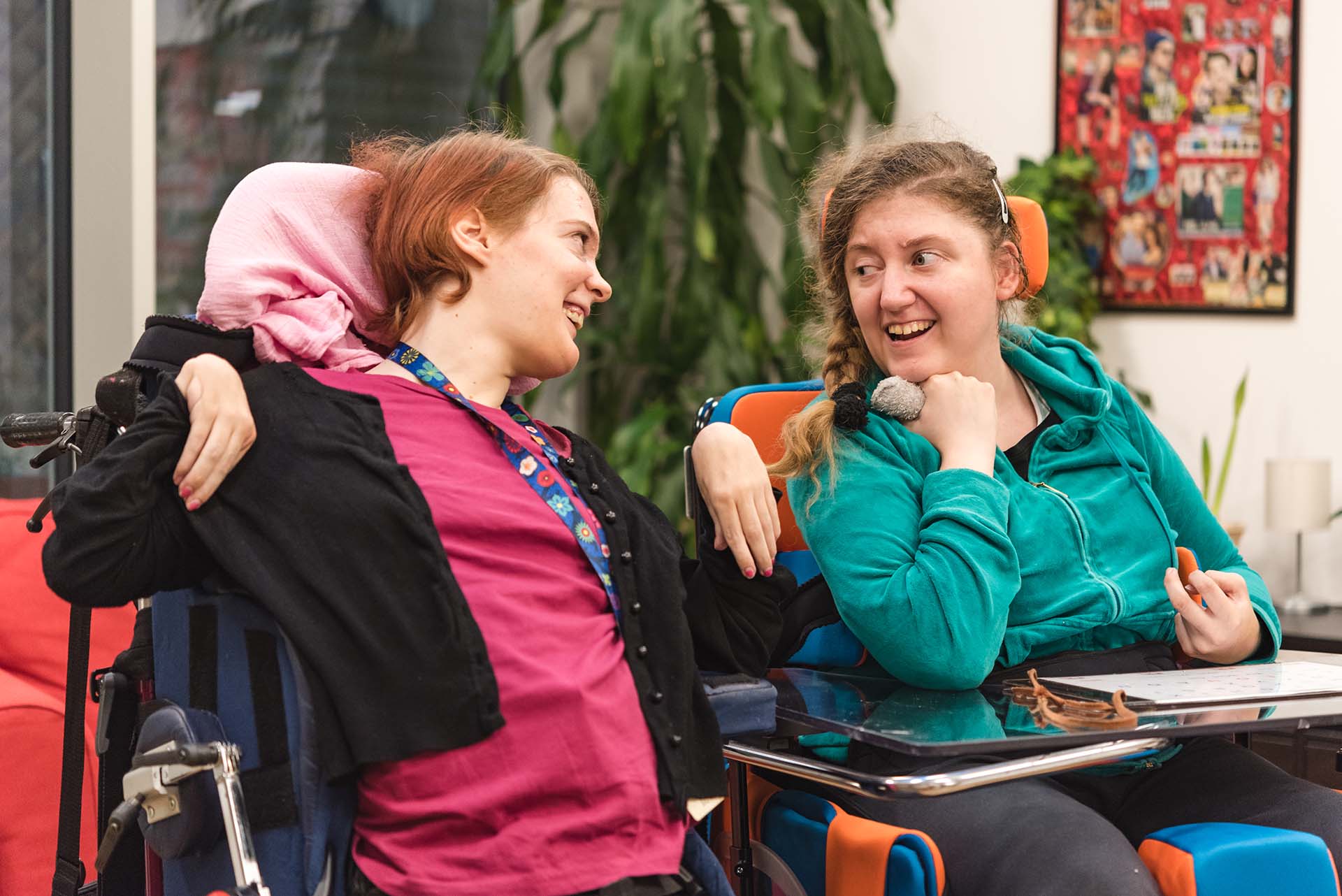
Zwei Kund:innen von HABIT unterhalten sich.

We combine empathy with professionalism. Respect and appreciation are at the heart of our interdisciplinary work, and we strive to be a driving force for progress and innovation in long-term care.

Knowledge-based care

Everything we do at Haus der Barmherzigkeit is grounded in scientific evidence. We conduct research, teach, provide advanced training for professionals, and actively contribute to progress in nursing and healthcare.

Ein hellrotes Icon illustriert mit zwei Händen, die ein Herz in der Mitte halten.

Geriatrics & gerontology

Life expectancy continues to rise, increasing the importance of geriatrics and gerontology. We have therefore committed to studying ageing from a scientific perspective, shaping the care models of the future.

Ein hellgrünes Icon illustriert mit einem Papier und einer Lupe.

Practical expertise

We aim to create a lasting impact. To achieve this, we share our knowledge and experience through teaching and professional development programs for students and practitioners from a wide range of disciplines.

Ein hellblaues Icon illustriert mit einem Haus und einem Herz im Haus.

Academy for Ageing Research

Through our Academy at Haus der Barmherzigkeit, we conduct research on healthy ageing to improve care and support for elderly people and individuals living with chronic illnesses.

Ein hellrotes Icon illustriert mit zwei Händen, die sich zu einem Handschlag vereinen.

Teaching hospital

As a teaching hospital we offer internships for medical students from the Medical University of Vienna at our facilities, during which they gain experience in providing patient care with empathy, respect, and a human-centred approach.

Haus der Barmherzigkeit Group

Care for people of all ages. Support from Vienna to Lower Austria. Here you will find an overview of our organisation, locations, and diverse range of services.

Interdisciplinary care expertise

We bring together expertise from nursing, therapy, medicine, and inclusion services. This interdisciplinary approach forms the foundation for high-quality nursing and care under one roof.

History of Haus der Barmherzigkeit

Origins in compassion

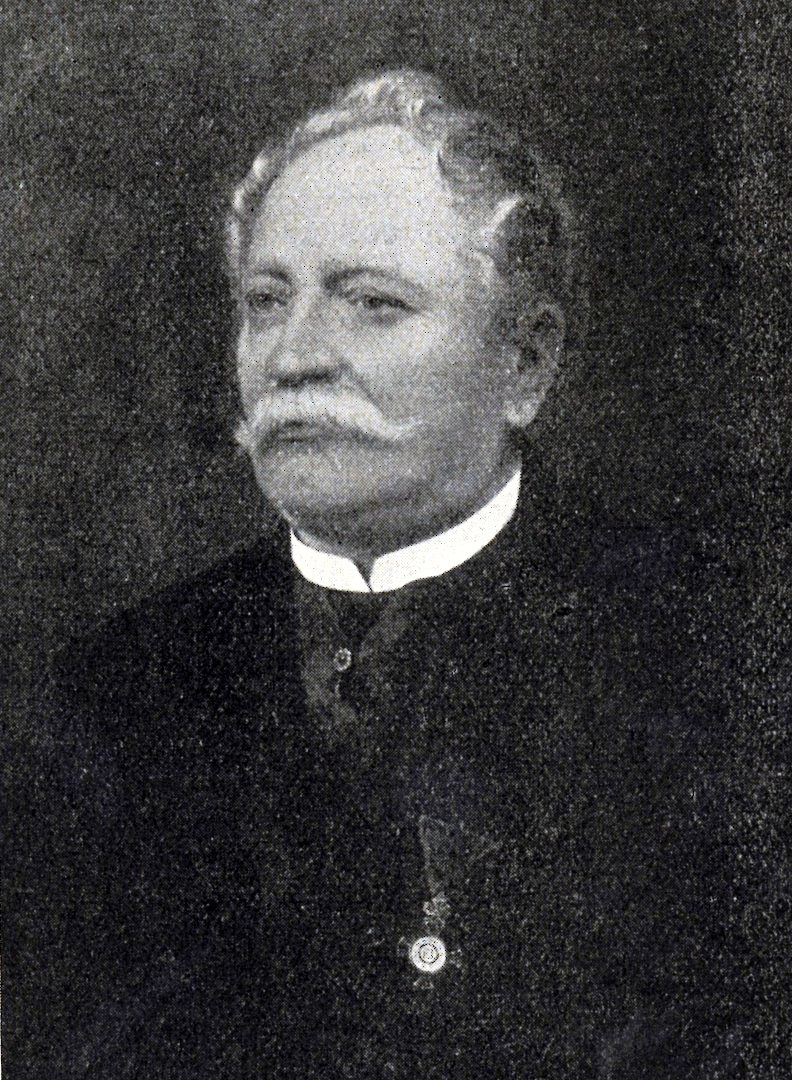
In 1864, printing business owner Franz Eipeldauer founded the Brotherhood of the Most Holy Trinity for the Care of Poor Incurables. On July 23, 1875, Haus der Barmherzigkeit opened its doors in Vienna’s Währing district.

The birthplace of geriatrics

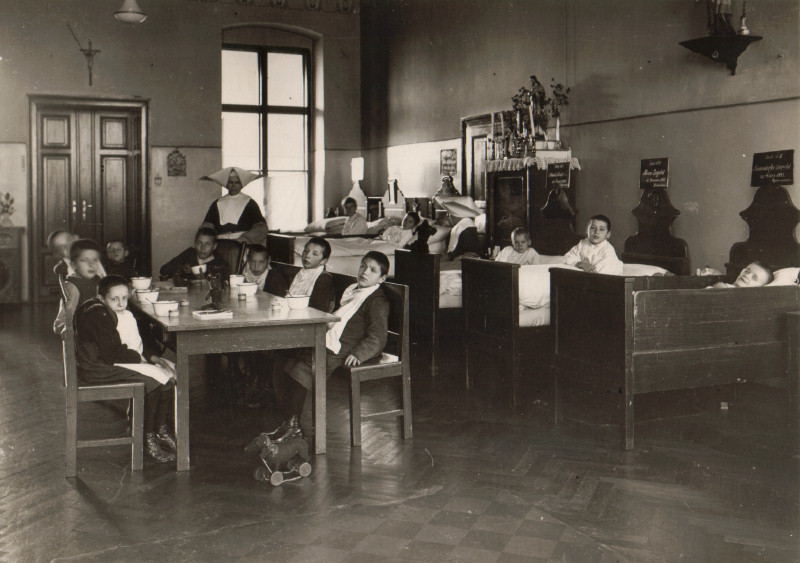
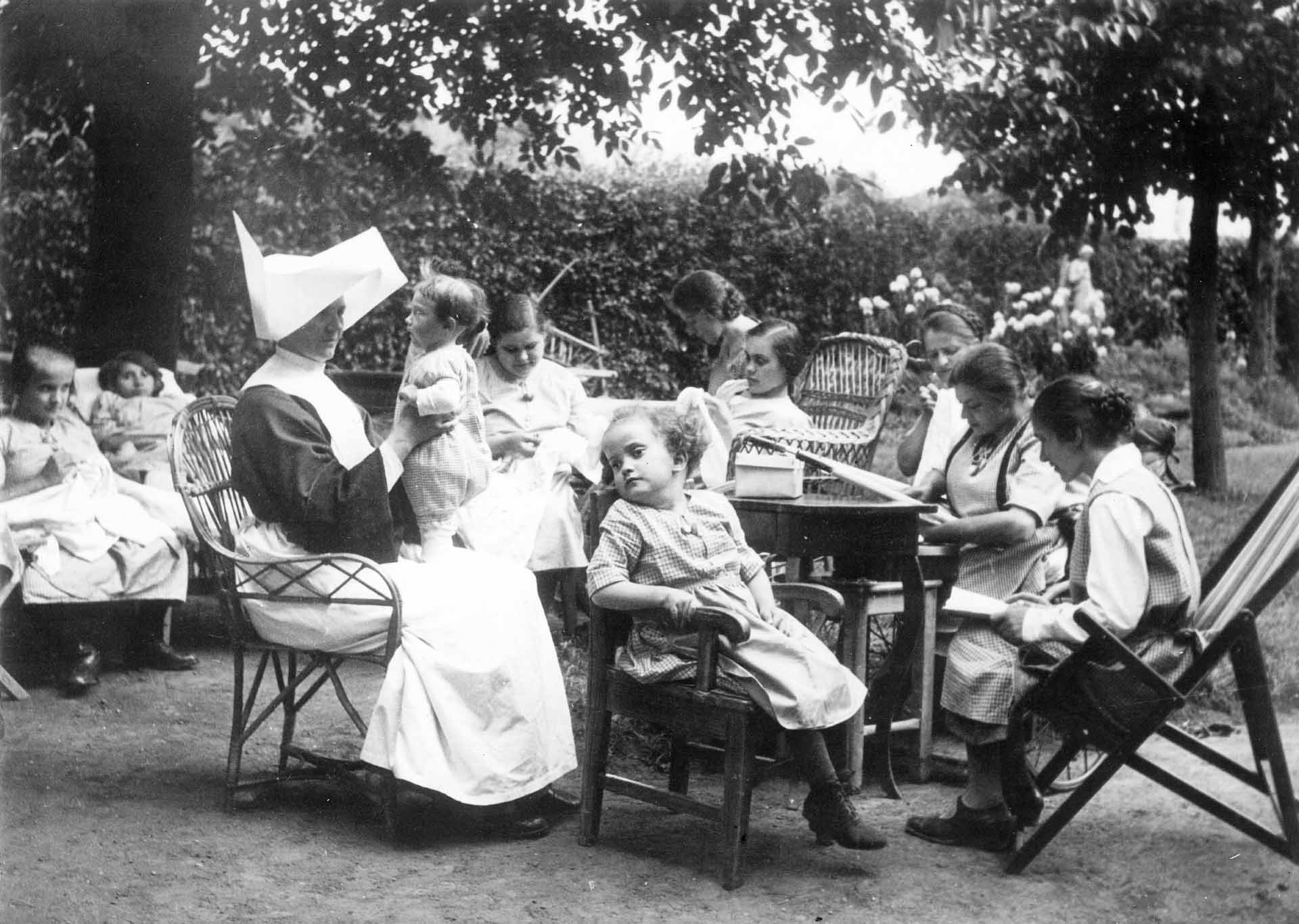
In those early days, twenty-two men, women, and children received free medical treatment from the Sisters of Charity of Saint Vincent de Paul. This groundbreaking approach made Haus der Barmherzigkeit a model for similar institutions both in Austria and abroad.

Expansion into Lower Austria

In 1903, the Clementinum Care Home in Kirchstetten opened as the organisation’s first facility in Lower Austria. With its own agricultural operations, it also supplied food to Haus der Barmherzigkeit in Vienna.

A lasting reminder

The original facility was confiscated by the Nazi regime, and many residents lost their lives as victims of its euthanasia programme. In 2002, a plaque was installed outside the chapel at HB Seeböckgasse to commemorate those who were murdered by the Nazis.

The path to inclusion

In 1999, the first shared living communities for people with disabilities were established. Four years later, the first day-care centres followed. Between them, they laid the foundation for what today is HABIT’s inclusion services division.

New approaches in geriatric care

The first geriatric care hospital opened in Seeböckgasse in 2005. One year later, a second care hospital was established in Tokiostraße. Also, since 2008, Haus der Barmherzigkeit has been overseeing management of the Am Maurer Berg – St. Josef nursing home.

Growth in Lower Austria

The group expanded its services in Lower Austria with the addition of Urbanusheim in Poysdorf in 2011, Stephansheim in Horn in 2014, and its newest location, Stadtheim in Wiener Neustadt, in 2017.
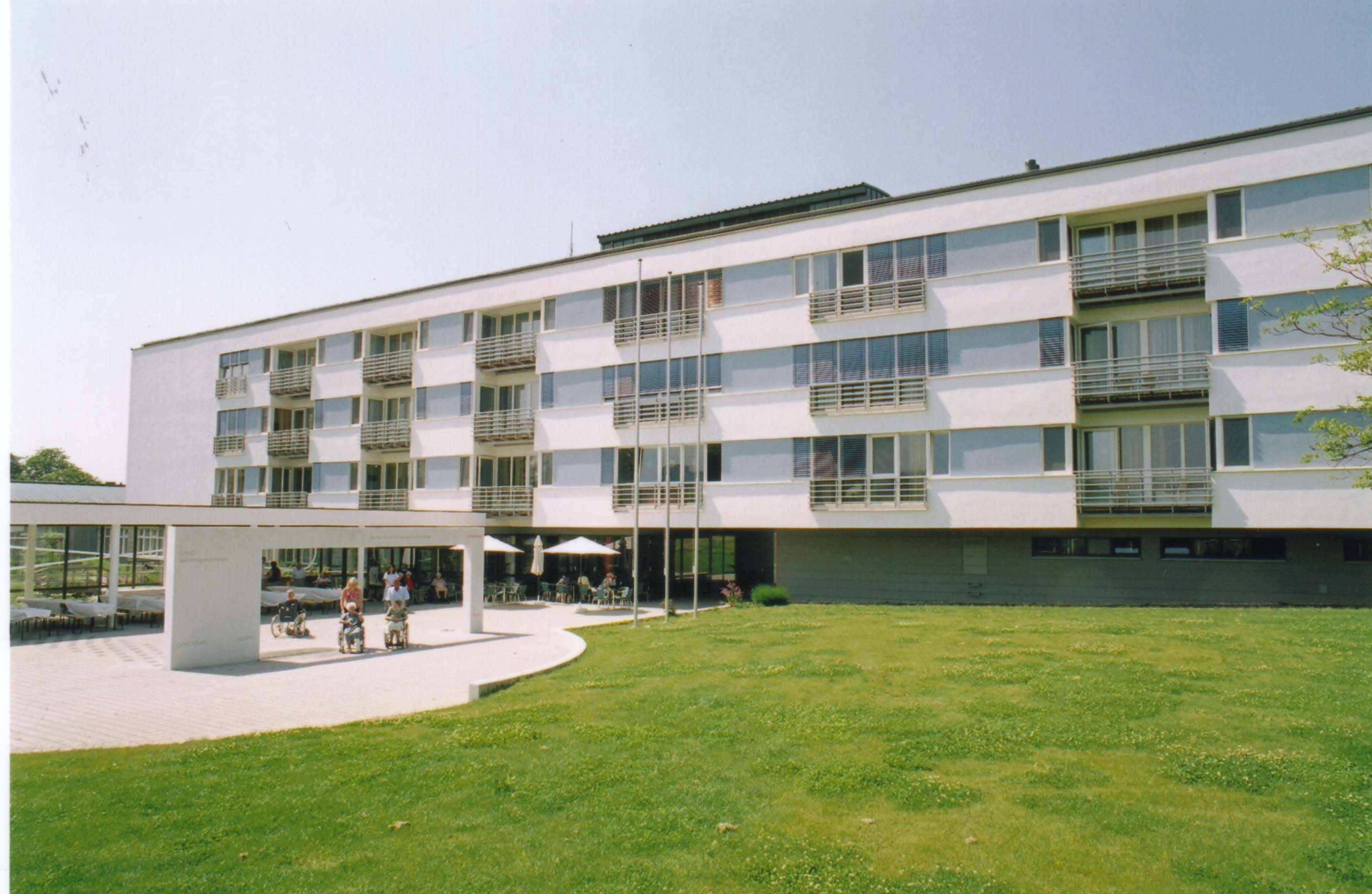
Großes, mehrstöckiges Gebäude mit heller Fassade und zahlreichen Fenstern und Balkonen, davor eine weitläufige Grünfläche sowie ein Außenbereich mit mehreren Personen, Tischen und Sonnenschirmen.

Haus der Barmherzigkeit today

Today, Haus der Barmherzigkeit comprises seven care facilities, 14 shared living communities, two facilities for partially assisted living (Garconnierenverbünde), five day care centres, temporary housing services, and mobile support services for people with disabilities.